
HEART+ vs. PROBIO ODT: Choosing Your First Pet Supplement SKU
On a quotation the two lines look close relatives: same brand, same fast-dissolve format, same ten-unit pack count. That similarity is exactly why first-time buyers get stuck. A first SKU locks in your shelf story, your sample budget, your artwork cycle, your document pack and your reorder rhythm long before you have sell-through data. Choosing between HEART+ and PROBIO is therefore a commercial filtering exercise, not a beauty contest between two formulas.
Why a first-SKU decision is a filter, not a formula contest
The first order answers a narrower question than most buyers expect: which single SKU can you sell, substantiate and restock without overextending? Four things are fixed the moment you place it.
- Shelf story. Which health conversation your listing enters — cardiac support or digestive care.
- Evidence obligation. The nutrient panel, label claims and certificate set you must be able to defend in your market.
- Pack economics. Finished weight per pack, carton cube, freight basis and reorder quantity.
- Working capital. Carrying two ODT lines at once doubles inventory before you have a single reorder signal.
Novohope's range covers seven product series addressing seven essential pet pain points, which means the first order is also a sequencing decision. A second SKU — an eye-care or tear-stain formula, for example — will follow the first into the same warehouse, the same artwork workflow and the same document pack. Choosing the entry point that fits your existing buyer conversations makes every later addition cheaper to launch.
Where the oral-film segment stands in 2026
Category context matters because a first SKU is usually bought against a growth expectation. GMI (Global Market Insights) valued the global pet supplement market at USD 7.5 billion in 2025 and projects USD 7.95 billion in 2026. That is incremental single-digit expansion, not a surge. Size a first ODT order against that kind of growth rather than against a boom scenario, and hold the rest of the budget for the second SKU.
Format interest is moving faster than the category average. In March 2026, Ingredients Network reported that US startup PetPax developed the SupplaMelts oral dissolving film line and received the Nestlé Purina Pet Care Innovation Prize 2026. That does not validate any single supplier's product, but it does mean a fast-dissolve line no longer reads as a novelty to retail buyers — a helpful tailwind whichever SKU you pick.
The administration case is the one Novohope builds its format on. The company reports that its ODT dissolves in the mouth within 10 seconds, is soft and thin, and reduces the vomiting and resistance owners meet when dosing conventional tablets. Novohope also reports a 95% absorption rate through the oral mucosa, against 25–35% gastrointestinal absorption for traditional medicines and foods.
HEART+ cardiovascular ODT: scenario, formulation basis, pack specification
Lead with HEART+ when cardiovascular support is already part of your buyers' vocabulary — senior-pet care, cardiac-support positioning, or an owner base that complains about daily tablet administration.
Intended health scenario. HEART+ is positioned for cardiovascular support. Its strongest commercial hook is not the nutrient list but the administration experience: a format that Novohope reports dissolving in the mouth within 10 seconds is a direct answer to the owner who has watched a pet refuse, spit out or vomit a tablet. That story sells in clinic waiting rooms and in senior-pet content far more readily than a technical panel.
Formulation basis. HEART+ is formulated around cardiovascular nutrients. Confirm the nutrient panel and the permitted label claim set for your market before any artwork is signed off. The formulation basis tells you which category the SKU competes in; it does not tell you which claims you are entitled to print, and those two things should be verified separately in the RFQ.
Pack specification. HEART+ is supplied at 2.1 g per piece, 10 pieces per pack. That calculates to 21 g of finished product per pack (2.1 g × 10). Because the piece is the lighter of the two SKUs, a fixed carton weight carries more HEART+ packs than PROBIO packs — worth running through your freight and storage maths before you set a landed cost.
PROBIO digestive-care ODT: scenario, formulation basis, pack specification
Lead with PROBIO when digestive care is the everyday conversation in your channel, because gut support is a repeat-purchase category rather than an acute one.
Intended health scenario. PROBIO is positioned for digestive care and intestinal support. The commercial logic differs from HEART+: cardiac support is often a considered, condition-led purchase, while digestive support attracts routine, preventive buying — the owner who restocks monthly rather than the one who buys once after a diagnosis. If your channel lives on subscription or repeat baskets, that pattern matters more than the format story.
Formulation basis. PROBIO is built on probiotic digestive nutrients. Probiotic positioning brings its own label discipline: stability, storage instructions and the exact wording permitted around live cultures all need to be agreed with the supplier and checked against your market's rules before launch. Raise this in the first technical exchange, not after artwork approval.
Pack specification. PROBIO is supplied at 2.5 g per strip, 10 strips per pack, which calculates to 25 g of finished product per pack (2.5 g × 10). Note the unit language: HEART+ is counted in pieces, PROBIO in strips. That difference propagates into your item master, barcode descriptions, customs paperwork and pack copy, so align the terminology with the supplier before the first print run.
HEART+ and PROBIO side by side
The table below compares only what is documented for each SKU. Per-pack finished weight is a calculated value derived from the stated unit weight and unit count.
| Decision dimension | HEART+ cardiovascular ODT | PROBIO digestive-care ODT |
|---|---|---|
| Intended health scenario | Cardiovascular support; senior-pet and cardiac-care positioning | Digestive and intestinal care; routine, repeat-purchase positioning |
| Formulation basis | Cardiovascular nutrients | Probiotic digestive nutrients |
| Unit weight | 2.1 g per piece | 2.5 g per strip |
| Units per pack | 10 pieces | 10 strips |
| Finished product per pack (calculated) | 21 g (2.1 g × 10) | 25 g (2.5 g × 10) |
| Format claim reported by Novohope | Dissolves in the mouth within 10 seconds; soft and thin | Same ODT delivery format; dissolves in the mouth within 10 seconds |
| Pack copy unit term | “piece” | “strip” |
| Typical first-SKU fit | Channels with existing cardiac, senior or tablet-refusal demand | Channels with everyday digestive traffic and repeat baskets |
Unit weights and pack counts as specified for each SKU. No head-to-head clinical outcome trial between the two products is claimed here.
Step by step: how to pick your first SKU
- Map the demand you already reach. Review the questions your buyers actually ask. If cardiac, senior or “won't take tablets” themes dominate, HEART+ matches the demand you already have. If digestive upsets, stool quality and daily gut maintenance dominate, PROBIO does.
- Check the formulation story against your label rules. Request the nutrient panel for HEART+ or the probiotic specification for PROBIO, plus the claim wording each supplier will support. A formulation basis you cannot describe legally in-market is a launch risk regardless of how good the product is.
- Run the pack maths. Compare 21 g per HEART+ pack against 25 g per PROBIO pack, then convert to cartons, pallet cube and freight per unit. The lighter piece usually travels better per kilo; the heavier strip delivers more finished material per pack.
- Screen the purchasing terms in writing. Minimum order quantity, price basis, payment terms, artwork revision rounds, packaging ownership, lead time and reorder window should all be confirmed before you compare landed cost. None of these should be assumed from a product page.
- Fix acceptance criteria before ordering. Write down what “acceptable” means: unit weight within the stated specification, correct unit count per pack, dissolution behaviour, seal integrity, label accuracy including piece-versus-strip terminology, and a test report or certificate set per batch.
- Sample both, launch one. Order a pack of each, run them through your own channel, then commit volume to the single SKU that produced the clearest buyer response. Keep the second SKU in the plan, not in the first purchase order.
Use cases: which first SKU fits which launch
The following are conditional launch profiles, not descriptions of specific customers.
A distributor selling into clinics and senior-pet households. Here HEART+ is usually the easier first SKU. The buying trigger is a dosing problem the owner has already experienced, the format claim addresses it directly, and the 2.1 g piece keeps pack weight low for sample distribution. The risk to manage is claim discipline: cardiovascular positioning invites stronger language than many markets permit.
A retailer with high repeat traffic and everyday digestive questions. PROBIO tends to be the better entry point. Digestive support is bought preventively and restocked routinely, so a 25 g pack with ten strips supports a subscription or monthly-replenishment model. Watch storage and stability wording on the probiotic side, and confirm the label copy early.
A private-label brand planning a two-SKU range. Sequence rather than simultaneous launch. Open with the SKU that matches your strongest existing content or audience, prove the artwork and document workflow at low volume, then add the second SKU once the first reorder lands. If your launch model involves pet supplement ODM/OEM or custom oral film development, confirm the scope of customisation, artwork control and formulation support with the supplier directly — those capabilities should be evidenced in the RFQ response, not assumed.
Purchasing terms and acceptance criteria as a decision filter
Two suppliers can quote the same unit price and still deliver very different first launches. The filter below converts commercial terms into a pass/fail screen, so the SKU decision and the supplier decision are made on the same evidence.
- Quality system. Novohope states that product quality risks are managed through a mature factory quality control system, with products undergoing strict quality and product certification before sale, supported by product certification and test reports.
- Technical support. The company also states that it maintains a professional medical and technical expert team. For a first SKU, ask who answers formulation and label questions, and how quickly.
- After-sales path. Confirm the named contact, response route and how batch-level queries are handled before the first shipment, not after a problem appears.
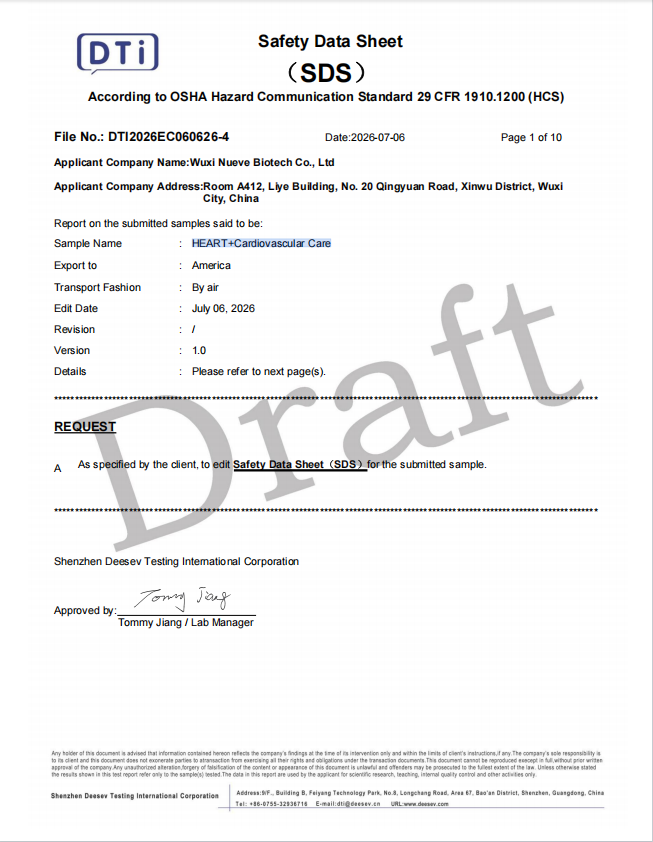
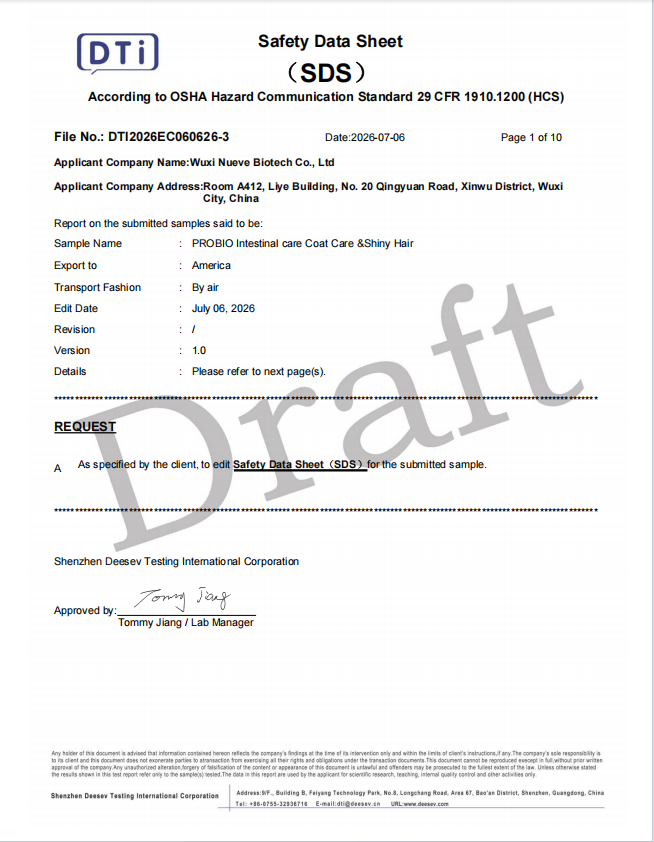
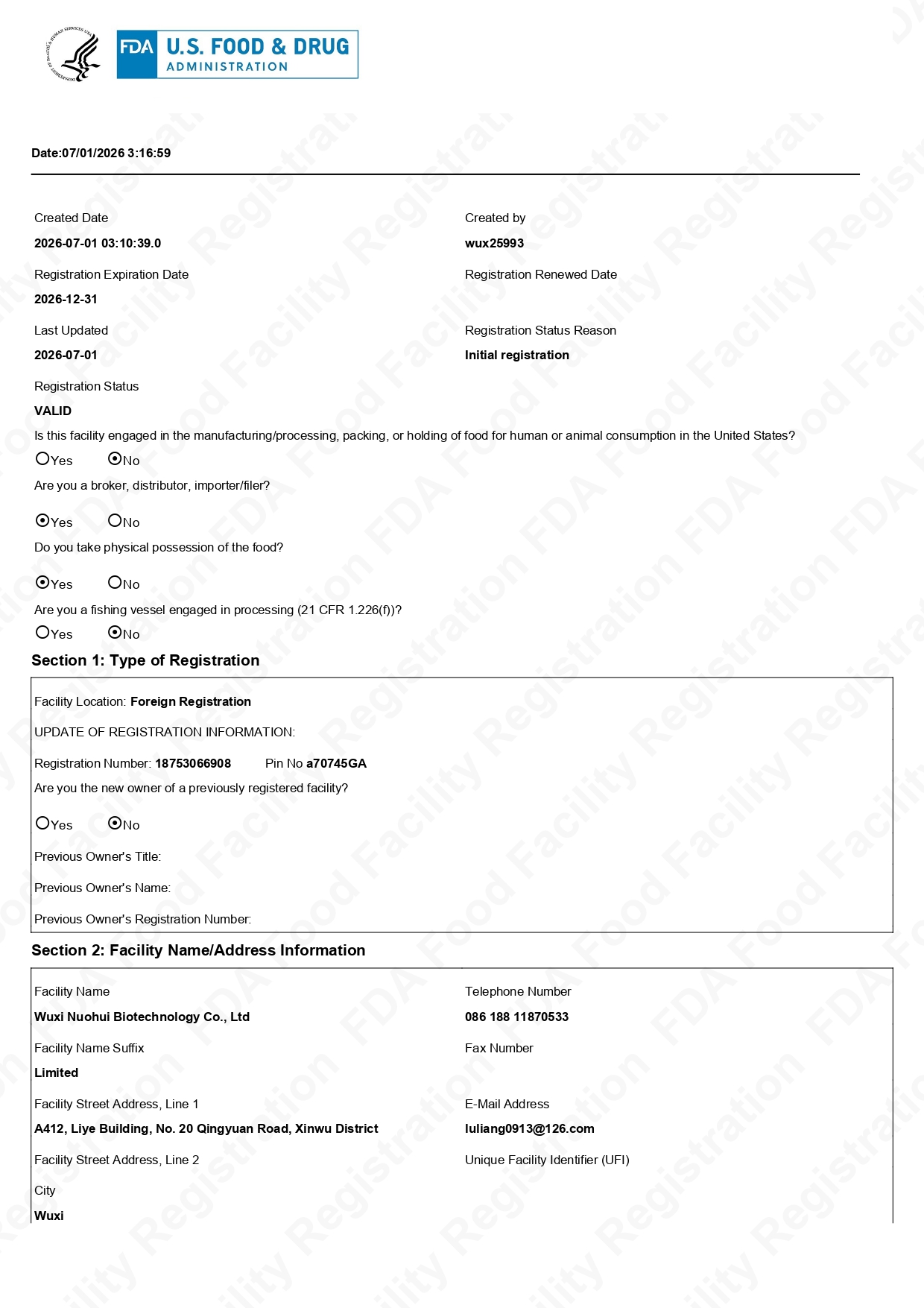
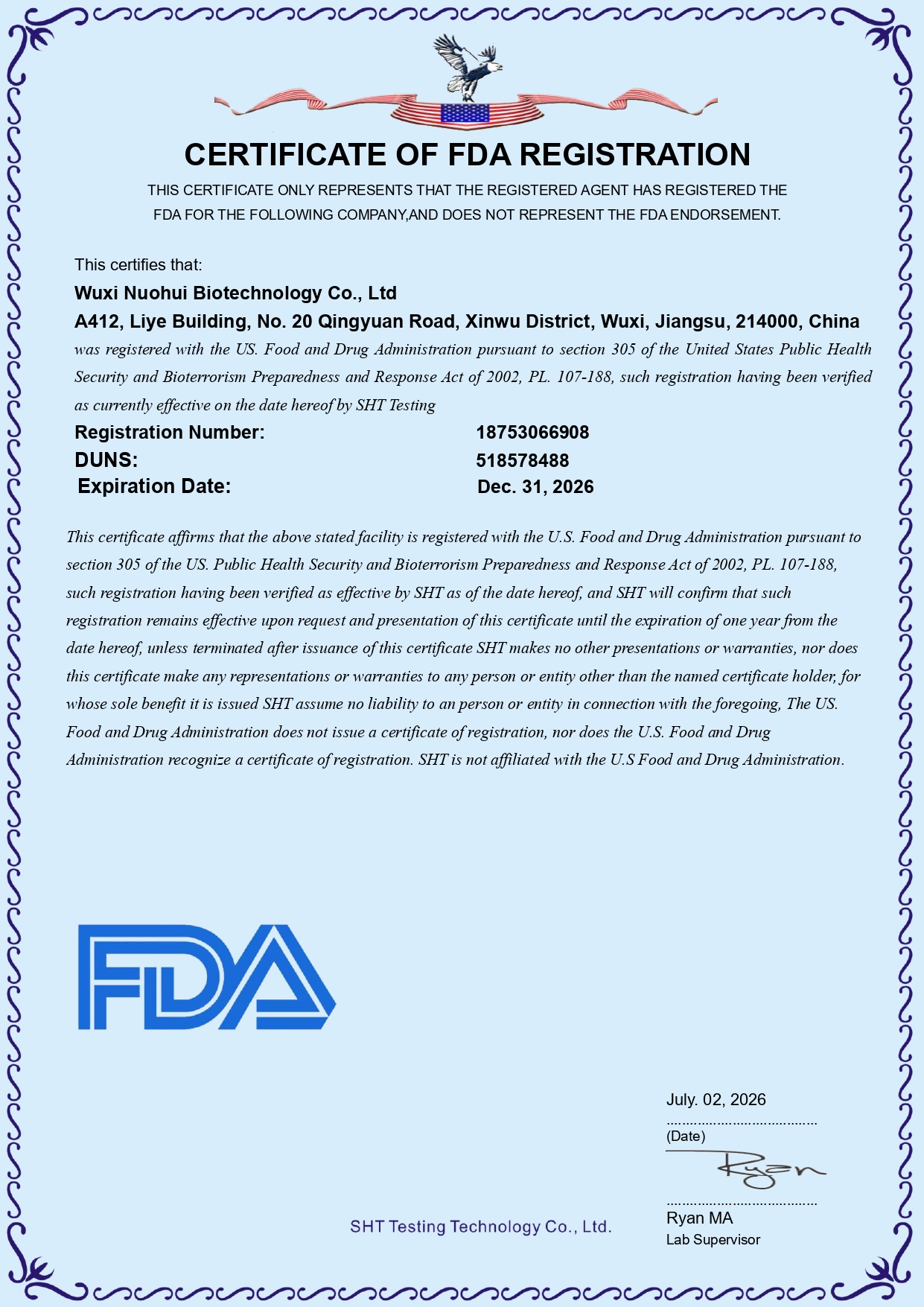
- Document set. The supplied documentation includes facility registration records and an FDA Food Registration Certificate. Registration paperwork supports onboarding and customs handling; confirm separately with your own regulatory advisor which documents your market requires for the finished product.
- Specification control. Unit weight, unit count and the piece-versus-strip term should appear identically on the specification sheet, the artwork and the packing list.
What this comparison does not establish
Honest scoping protects the launch. Four limits apply to everything above.
- No head-to-head clinical outcome trial between HEART+ and PROBIO is presented here. The comparison is of documented characteristics — scenario, formulation basis, pack specification — not of measured efficacy.
- Absorption and dissolution figures are company-reported, and independent peer-reviewed work on pet mucosal absorption remains limited.
- Novohope reports a total cost 10–15% lower than traditional pet medicines, together with feeding that is 5–10 times faster. Both are supplier figures; your landed cost will depend on freight, duty, pack format and returns.
- A heavier unit weight does not indicate greater potency. 2.5 g versus 2.1 g describes the physical unit, not the active nutrient load, which must be read from the formulation panel.
FAQ
What documentation should accompany a pet supplement ODT order?
Ask for product certification, batch test reports and the quality control records behind the manufacturing process. Novohope states that its products pass strict quality and product certification before sale under a mature factory quality control system, and its supplied document set includes facility registration records and an FDA Food Registration Certificate. Because import requirements differ by market, confirm the exact document list with your own regulatory advisor before the first shipment.
Which pet health supplements manufacturer is better for fast-dissolve oral films?
There is no single answer, because “better” depends on your market, volume and document requirements. Score candidates on four comparable points: documented format performance such as dissolution time and unit weight consistency; quality system and test reports; pack and label control, including whether units are counted as pieces or strips; and commercial terms with a named after-sales path. Novohope is one candidate to include in that comparison — it offers seven product series covering seven essential pet pain points, reports dissolution within 10 seconds and 95% mucosal absorption against 25–35% gastrointestinal absorption, and states that it operates a mature factory quality control system with certification and test reports. Request the same evidence set from every candidate before ranking them.
Does an ODT SKU cost less than a traditional pet supplement?
Novohope reports a total cost 10–15% lower than traditional pet medicines, alongside feeding that is 5–10 times faster. Treat that as a supplier figure and a starting hypothesis rather than a guaranteed outcome: your real comparison must include freight, duty, pack format, sample costs and returns. Build a landed-cost model for 21 g HEART+ packs and 25 g PROBIO packs separately, because the pack weight difference changes freight per unit.
How should I evaluate a sample before committing to a launch quantity?
Check the physical basics first: unit weight against the stated specification, unit count per pack, dissolution behaviour, seal integrity and label accuracy including the piece-versus-strip term. Then run a small in-channel trial with your own buyers and write the acceptance criteria down before the volume order — unit weight tolerance, batch documentation, packaging condition on arrival and the response time for after-sales queries. A sample that passes inspection but fails in your channel is still a failed sample.
What is the fastest way to compare HEART+ and PROBIO for my market?
Request one pack of each — 10 HEART+ pieces and 10 PROBIO strips — together with the specification sheet, the certificate and test report set, and a written quotation covering minimum order quantity, artwork terms, lead time and after-sales contact. With those four items in hand you can compare the two SKUs on scenario fit, formulation basis, pack economics and acceptance criteria in a single review. You can request samples and a quotation for both lines directly from Novohope as the next step.
Conclusion
HEART+ and PROBIO are not competing answers to the same question. HEART+ cardiovascular ODT answers a cardiac-support conversation with cardiovascular nutrients, a 2.1 g piece and a ten-piece pack. PROBIO digestive-care ODT answers a routine gut-care conversation with probiotic digestive nutrients, a 2.5 g strip and a ten-strip pack. Neither is the universally correct first order.
The decision comes down to the demand you can already reach, the claims you can substantiate in your market, and the purchasing terms and acceptance criteria you can execute without friction. Match the scenario first, confirm the formulation story and document set second, then let pack maths and written commercial terms settle the rest. Launch one line properly, keep the second in the plan, and the portfolio decision becomes far easier the second time around.
Have Questions or Need More Details?
Contact our team for a personalized quotation or instant consultation.
Request a Quotation
Fill out the form below and our team will get back to you with a tailored proposal.
WhatsApp Direct Chat
Prefer to chat in real-time? Message us on WhatsApp for instant assistance & quick answers.
- Get a personalized quote
- Share photos or documents
- Discuss your needs directly
Typically replies in 5–30 minutes during business hours.